Recipes
Viking Flatbread Recipe: Barley Flatbread from the Pan
An easy Viking flatbread recipe: barley flatbread baked in a cast iron pan, with modern measurements and the story of the charred bread finds from Birka.

Contents
Forget horned helmets and endless feasting: the real everyday life of the Viking Age smelled of smoke, wet timber, and freshly baked flatbread. Bread was the backbone of the Norse kitchen - not as an airy sourdough loaf from an oven, because most farms simply had no bread oven, but as a flat, hearty round baked on a hot stone slab or in an iron pan over the open fire.
The beautiful part: you can bake exactly this bread today in 30 minutes. No yeast, no proofing time, no special equipment - just flour, water, salt, and a good pan. It goes with soup and stew, with cheese and honey, and it tastes as honest as bread can taste.
Charred Loaves That Tell a Story
We know surprisingly precisely what Viking bread looked like, thanks to a stroke of archaeological luck: charred bread. In the graves of Birka, the great trading town in today’s Sweden, archaeologists found dozens of charred bread remains from the 9th and 10th centuries - small, flat, round loaves, apparently given to the dead as provisions for the journey into the afterlife. Because they were charred, they survived a thousand years, and modern analysis could even identify the ingredients: mostly barley, often mixed with oats, sometimes stretched with pea flour, and in lean times even with ground pine bark.
Barley was the grain of the North. Wheat needs warmth and long summers - in cool Scandinavia it grew only in a few favored regions and remained a luxury. Barley, on the other hand, is undemanding, ripens quickly, and survives even a rough summer. Grinding it was hard manual labor: rotary querns made of stone were part of virtually every farm’s equipment, and grit from the grinding stones inevitably ended up in the flour. Skeletal finds show the consequence - heavily worn teeth in almost every adult.
Baking happened right at the hearth in the middle of the longhouse: on flat stone slabs, in the ashes, or in shallow long-handled iron pans of the kind found in several graves. Fresh flatbread was everyday food and travel provision in one - durable, nourishing, easy to stack. On board the longships, hard bread alongside dried fish was standard rations for long voyages.
And who did all that baking? As far as we can tell, baking, like the whole household, was in the hands of the lady of the farm. She carried the keys to the storerooms on her belt - a sign of real power, because whoever controlled the provisions decided over life and death in a northern winter. Daily bread was women’s work, and it was a never-ending task: with no way to preserve soft bread, baking happened practically every single day.
How the Vikings Ate Their Bread
People in the North usually ate only two meals a day: the dagmal (“day meal”) in the late morning after the first hours of work, and the nattmal (“night meal”) in the evening. Bread belonged to both - spread with butter, alongside cheese or skyr, the thick cultured milk product that still exists in Iceland today, and on good days with a spoonful of honey. The flatbread even doubled as cutlery: you tore off pieces and dipped them into porridge, soup, or the stew from the cauldron.
Ingredients
For 6 to 8 flatbreads:
- 300 g (2.5 cups) barley flour (health food store or online)
- 100 g (3/4 cup) spelt or wheat flour (makes the dough easier to handle; purists use 400 g pure barley)
- 1 tsp salt
- about 250 ml (1 cup) lukewarm water
- 1 tbsp soft butter or lard (optional, makes the bread more tender)
- A little flour for rolling
Plus: a heavy pan, ideally cast iron. It comes closest to the hot baking stone of the Vikings.
Instructions
- Mix the dough. Combine both flours and the salt in a bowl. Add the water bit by bit, mixing with your hands or a wooden spoon until you have a smooth, non-sticky dough. Depending on the flour, you may need slightly more or less water.
- Work in the fat. Briefly knead in the butter or lard until the dough is smooth. Barley dough has almost no gluten - it will never get as stretchy as wheat dough, and that is completely normal.
- Let it rest. Cover the dough and let it rest for 20 to 30 minutes. This lets the flour hydrate and makes the dough much easier to roll.
- Divide. Cut the dough into 6 to 8 equal pieces and shape them into balls.
- Roll out. On a lightly floured surface, roll each ball out thin - about 3 to 5 millimeters (1/8 inch) thick and the size of a plate. The thinner, the crispier.
- Preheat the pan. Heat the cast iron pan, dry and without fat, over medium-high heat until properly hot. A drop of water should sizzle and dance immediately.
- Bake. Cook each flatbread for 2 to 3 minutes per side, until it shows brown spots and starts to bubble. Do not flip too early - those toasted spots are the flavor.
- Keep warm. Wrap the finished flatbreads in a clean kitchen towel so they stay soft and warm until all are baked.
Tips & Variations
- With buttermilk: Replace the water with buttermilk - the flatbreads turn out softer, with a gentle tang that suits barley beautifully.
- With honey: Dissolve 1 tbsp honey in the water. The bread browns more deeply and tastes faintly sweet - wonderful with butter and cheese.
- With herbs: Chopped wild garlic, chives, or thyme in the dough turn the everyday bread into a side dish for guests.
- On the grill or campfire: The flatbreads also work on a hot stone slab over embers - the original experience for your next barbecue.
- Storing: Packed airtight, the flatbreads keep for 2 to 3 days. Refreshed briefly in a hot pan, they taste like new.
- Flatbread too dry or crumbly? Then the dough had too little water or the pan ran too long. Barley dough forgives a little extra moisture - better to start a touch sticky and add flour while rolling.
If this recipe has whet your appetite: it is a small taste of our collection. The cookbook “Viking Feast” holds 141 recipes of the Norse kitchen - from honey bread and feast-day dishes to the matching mead. See the cookbook
| Grain | Cultivation in the North | Typical use in the Viking Age |
|---|---|---|
| Barley | everywhere, undemanding | flatbread, porridge, ale |
| Oats | widespread | porridge, mixed into bread |
| Rye | spreading from the 10th century | dark bread, mainly Denmark |
| Wheat | only in favored regions | feast bread of the wealthy |
Fun fact: In some of the Birka loaves, researchers found ground pine bark. What sounds like famine food has a practical background: the inner bark (bast) is edible, slightly sweet, and stretched the flour through lean winters. In northern Scandinavia, bark bread survived as emergency food into the 19th century.
Bread That Connects
A flatbread from the hot pan, some butter, honey, or a piece of cheese - culinarily, you can hardly get closer to daily life on a Norse farm a thousand years ago. While kings and warriors get the grand scenes in the sagas, it was this humble bread that actually kept the North alive. Bake it once yourself, and you will understand why it was given to the dead for their final journey.
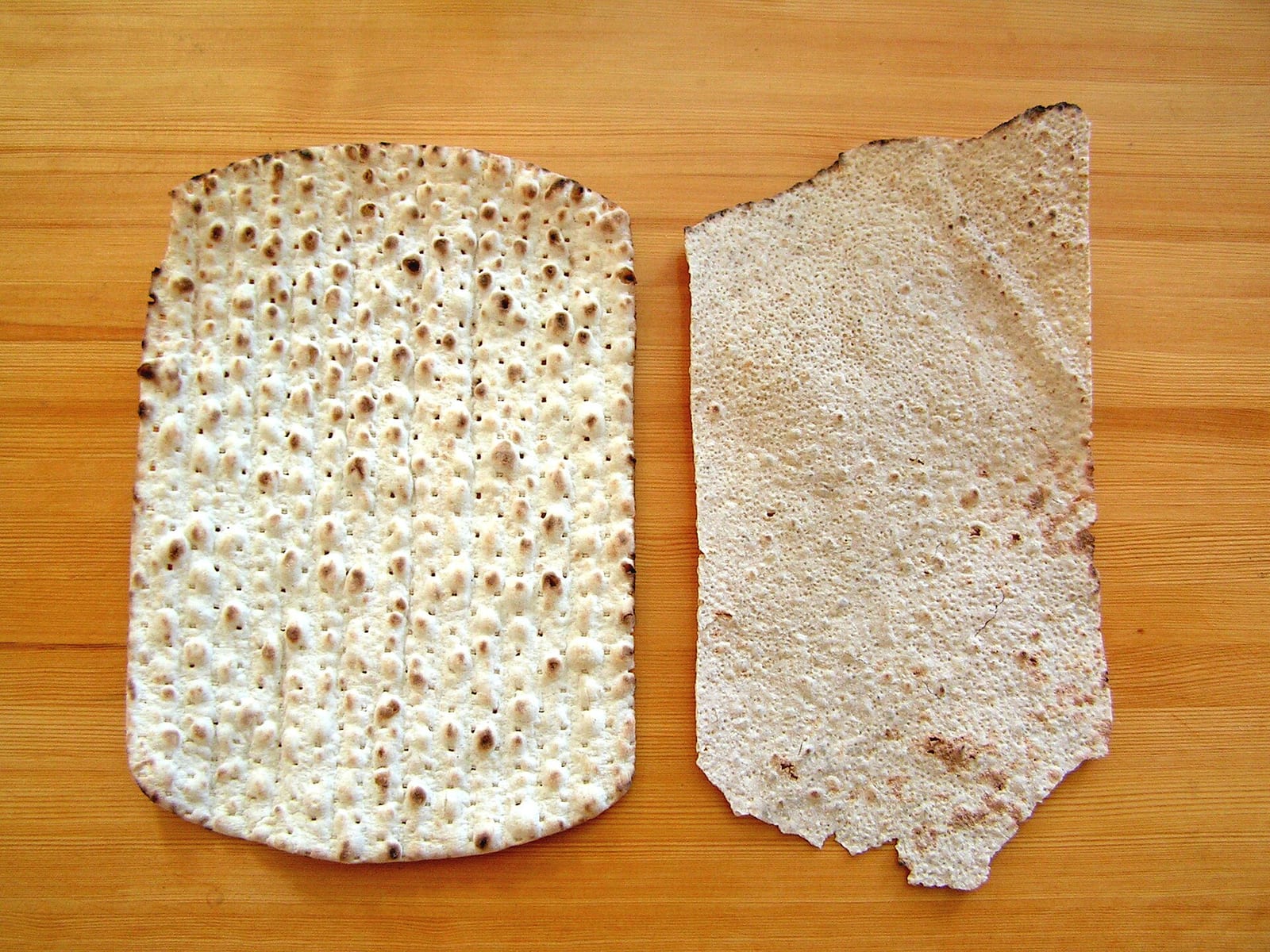
Image: Mikael Lindmark (CC BY-SA 2.5), via Wikimedia Commons