Warriors & Battles
The Jomsvikings: The Legendary Warrior Brotherhood
The Jomsvikings brotherhood, fact-checked: what the Jómsvíkinga saga and the Battle of Hjörungavágr actually support - and where Jomsborg legend takes over.

Contents
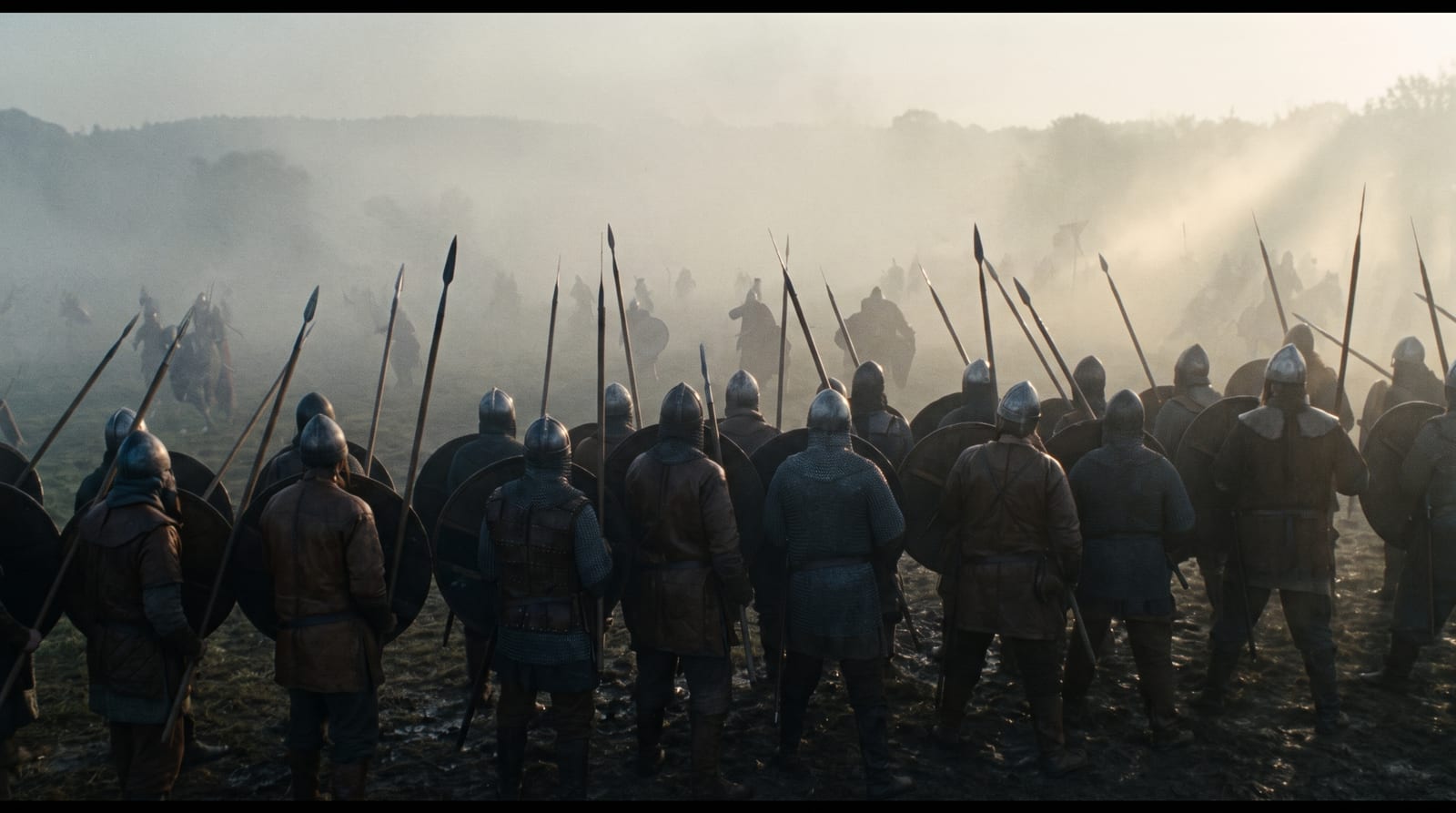
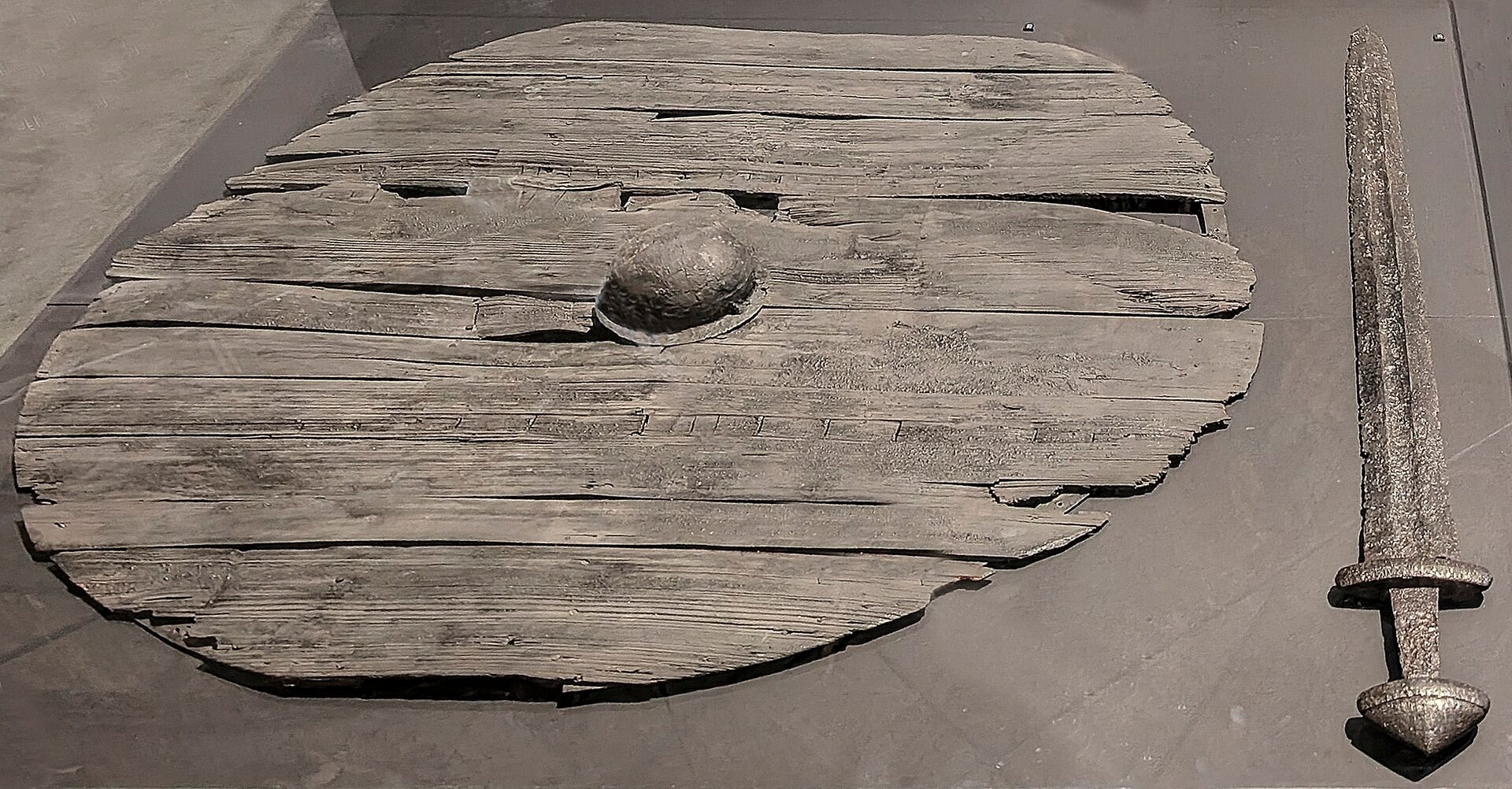
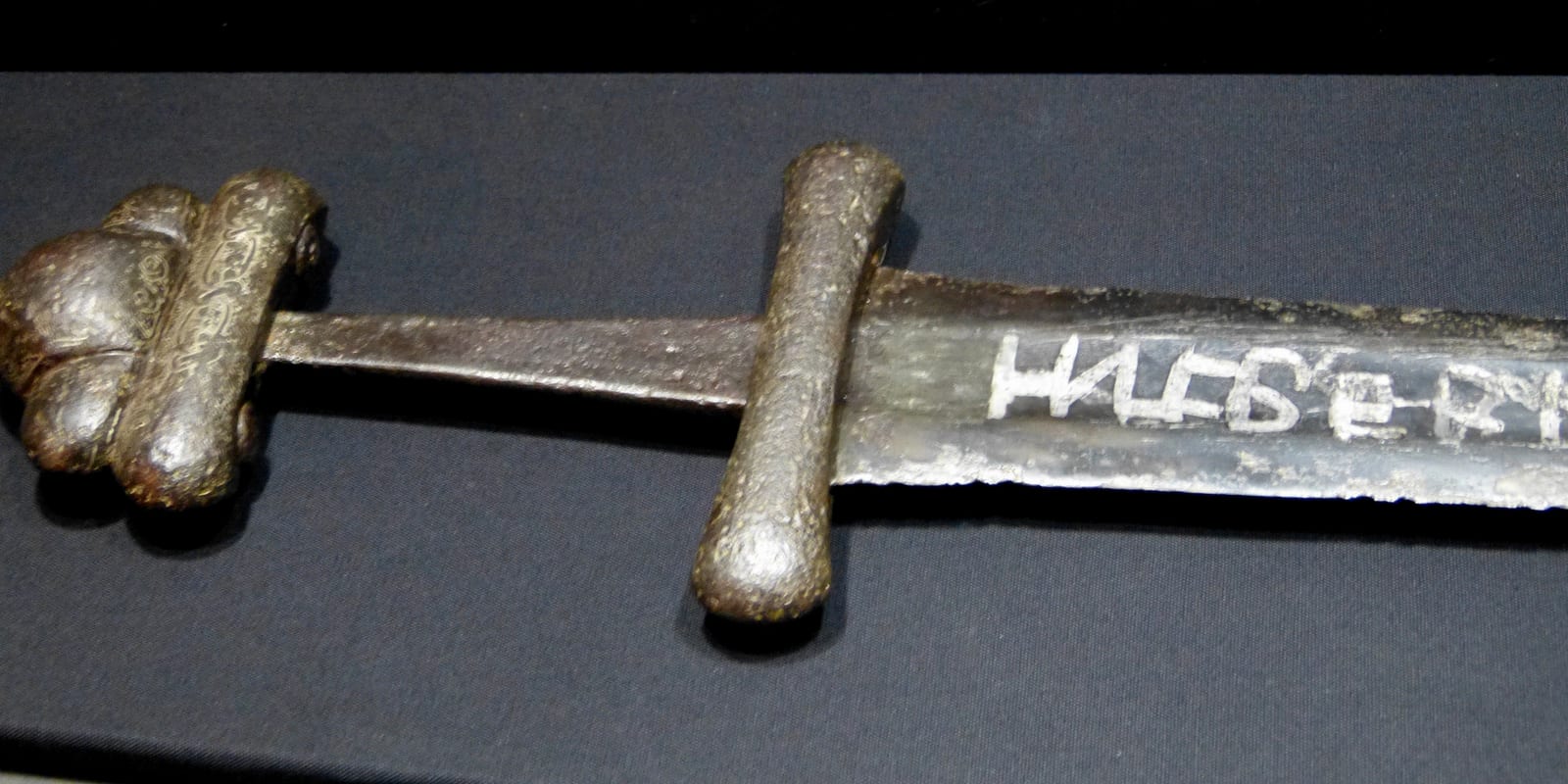
Few warrior bands from the Viking Age sound quite as improbable as the Jomsvikings: a brotherhood of hardened mercenaries, supposedly garrisoned in an impregnable fortress called Jomsborg, bound by an iron code of honor that punished cowardice with death. There’s just one catch - almost everything we think we know about the Jomsvikings brotherhood comes from a single category of source: saga literature, written down centuries after the events it claims to describe. So were they a real elite fighting force, or mostly a great story? This article works through the central claims one by one and separates myth from what the evidence actually supports.
Did the Jomsvikings Really Exist?
Myth: The Jomsvikings were a precisely documented historical order, with a known membership roll, founding date, and written statutes.
Fact: It’s nowhere near that clean. The primary source for the Jomsvikings is the Jómsvíkinga saga, an Icelandic saga likely committed to writing sometime in the 13th century - roughly 200 to 250 years after the events it describes. That’s the same kind of gap you’d get today if someone wrote down the Napoleonic Wars purely from oral tradition, with no contemporary records to check against. The saga itself is also a literary composition, complete with dramatic arcs, heroic speeches, and the symmetrical plot patterns typical of saga storytelling.
That doesn’t mean the whole thing is invention, though. The Danish chronicler Saxo Grammaticus, writing his Gesta Danorum around 1200, mentions warriors connected to the Jomsborg tradition, and Icelandic kings’ sagas such as Snorri Sturluson’s Heimskringla pick up similar narrative threads. Multiple independent medieval sources, in other words, knew of a storytelling tradition built around mercenary warbands on the southern Baltic coast. The most defensible historical position is this: real mercenary companies of Danish and partly Slavic warriors probably did operate in the 10th-century Baltic region - but the specific organizational structure, the strict rules, and the exact leaders named in the saga are literary elaboration, not established fact.
Was the Fortress of Jomsborg Real?
This is where things get even murkier. The saga describes Jomsborg as a massive fortress on the southern Baltic coast, protected by ramparts and a harbor large enough to shelter hundreds of ships, supposedly founded or expanded by the legendary Danish king Harald Bluetooth. It’s a tempting, concrete image: a stone stronghold of pure warrior discipline, sealed off from ordinary society.
Archaeologically, the location of Jomsborg has never been conclusively identified. The strongest candidate among historians and archaeologists is the area around Wolin on the Polish Baltic coast, where a genuinely significant Viking-Age trading settlement did exist - a Slavic-Scandinavian hub with documented contacts across the entire Baltic world. Excavations at Wolin have uncovered a large, prosperous port settlement, but no unambiguous evidence of a specifically military stronghold matching the saga’s description, complete with a strict ban on women and children and formal admission tests. Other proposals place Jomsborg further west, some even on the island of Usedom. The honest answer: Wolin was real and important, but whether it was the legendary Jomsborg of the Jómsvíkinga saga remains genuinely contested among scholars.
Listen to Víkingr while you read on:
Did They Really Follow a Strict Warrior Code?
Myth: Every Jomsviking swore a formal oath, could never flee an outnumbering enemy, was forbidden from bringing women into the fortress, and faced ruthless expulsion or death for breaking any rule.
Fact: We do know these rules - but exclusively from the Jómsvíkinga saga itself, not from any independent contemporary source. The saga describes an admission ritual with age limits (no younger than eighteen, no older than fifty), a ban on quarrels within the brotherhood without a formal arbitration process, and the famous obligation to never be the first to flee a fight. That’s an extraordinarily effective literary device - a code of honor stricter than any real military order of the period, functionally comparable to later romanticized codes of knightly chivalry.
That doesn’t necessarily mean such warrior brotherhoods had no basis in reality. Comparable men’s leagues with their own rules, initiation rites, and group honor codes are attested across several Viking-Age and related cultures, and the Viking berserkers show that ritually charged warrior groups clearly did exist. But the specific, almost monastic rulebook attributed to the Jomsvikings - no right to retreat, no women allowed, formal admission trials - carries so many hallmarks of later literary idealization that historians tend to read it as a heroic ideal rather than the charter of a real organization.
What Actually Happened at the Battle of Hjörungavágr?
The Battle of Hjörungavágr forms the dramatic centerpiece of the Jómsvíkinga saga and is also mentioned in other kings’ sagas, which gives it a slightly broader source base than some other saga material. According to tradition, a Jomsviking fleet sailed against the Norwegian jarl Hákon Sigurðarson (Håkon Sigurdsson), the powerful pagan ruler of Norway, aiming to break his hold on power. The battle is said to have taken place in a bay along the Norwegian coast, though its precise location is still debated.
The saga describes a massive naval engagement that seemed to be tipping in the Jomsvikings’ favor - until, according to the story, Hákon sacrificed his own son to the gods, and a sudden hailstorm turned the tide. This is where fact and legend are most tightly braided together: that power struggles between Danish-Jomsviking forces and Norwegian jarls occurred in the late 10th century is historically plausible and anchored in multiple sources. That a human sacrifice literally altered the weather belongs squarely to religious and mythological interpretation, not military history. Most historians today accept that a real military clash likely forms the kernel of the story, while the sequence of events, the speeches, and the supernatural elements belong to literary embellishment.
Myth vs. Fact at a Glance
| Claim | Status |
|---|---|
| ”Jomsvikings” existed as a term/narrative tradition in the Middle Ages | Attested (multiple independent sources) |
| Real mercenary companies operated in the southern Baltic in the 10th century | Historically plausible |
| Exact organizational rules (age limits, no-retreat, no-women) | Only from the saga, not independently confirmed |
| Jomsborg was located at/near Wolin | One hypothesis among several, unproven |
| The Battle of Hjörungavágr took place | Historical kernel likely, details legendary |
| Human sacrifice decided the battle via hailstorm | Mythological embellishment, not fact |
| Harald Bluetooth linked to the Jomsborg region | Plausible, not archaeologically confirmed |
Why Does the Jomsvikings Legend Still Grip Us?
In my view, it’s exactly this uncertainty that keeps the Jomsvikings so compelling centuries later. A fully documented mercenary company would be historically interesting but literarily flat. A brotherhood embodying an almost superhuman code of honor - death before flight, discipline before chaos - taps into a much older appetite for pure, uncorrupted warrior archetypes, not unlike how the Knights Templar or the samurai were later romanticized in their own traditions. The Jómsvíkinga saga wasn’t written to preserve sober military records; it was written to narrate an ideal - what a warrior should be, not necessarily what real 10th-century mercenaries actually were.
That doesn’t make the saga worthless - quite the opposite. It’s an excellent window into how the Viking Age imagined itself in 13th-century hindsight, into how honor, loyalty, and contempt for death were constructed as values and passed down through storytelling. But treating the Jomsvikings as a fully documented historical order confuses a great narrative with an archive. That exact confusion shows up surprisingly often in modern portrayals, from video games to popular nonfiction, and it’s precisely why serious Norse studies scholarship consistently describes the Jomsvikings as “semi-legendary.”
It’s also worth comparing them to other famous warrior types of the era, such as the Viking berserkers, whose ritual battle-frenzy was also heavily shaped by literary tradition, but which at least find some independent corroboration in contemporary legal texts and runic inscriptions. The Jomsvikings don’t have that same luck - their existence as an organized institution rests almost entirely on a single, late-written saga tradition. That sets them apart from better-documented historical phenomena like the reign of Ragnar Lodbrok or the archaeologically traceable trade networks of the same period. Their fixation on honor in the face of death also points toward deeper mythological currents in Norse belief - the idea that an honorable death in battle opened the road to Valhalla, a concept closely bound up with visions of Ragnarok and the gods’ own final reckoning. Read that way, the Jomsviking ideology of dying rather than retreating looks less like a stand-alone military rule and more like a literary continuation of religious ideas considerably older than the saga itself.
Conclusion: What Survives the Legend?
What’s left, in the end, is a sober but hardly disappointing picture. Real warrior companies probably did operate in the southern Baltic during the 10th century, caught up in conflicts between Danish, Norwegian, and Slavic powers. A significant fortified trading settlement probably did exist in the region - quite possibly at Wolin - and likely became the seed of the Jomsborg legend. And, with reasonably high probability, a real military clash occurred that later entered saga literature as the Battle of Hjörungavágr.
What almost certainly did not exist is the exact, almost bureaucratic rulebook - age limits, no-retreat clauses, exclusion of women - as recorded by the Jómsvíkinga saga more than 200 years after the fact. Those rules tell us more about the 13th century’s warrior ideal than about actual 10th-century practice. Understanding the Jomsvikings, then, means reading them on two levels at once: as a faint but plausible echo of real events, and as one of the most striking examples of how the Viking Age turned itself into legend long before modern pop culture ever got involved.