Recipes
Viking Venison Stew Recipe: Game, Roots and Juniper in One Pot
A Viking venison stew recipe: lean game, roots and juniper braised slowly in one heavy pot, plus honest Norse hunting history and practical kitchen advice.
Contents
Game was never the backbone of the Norse diet. It was luck, and luck does not keep. Bring down a red deer and you suddenly own more meat than a household can eat fresh, with no reliable way of holding it. That contradiction is the whole reason this venison stew recipe exists: lean, stubborn muscle goes into a heavy pot with roots, barley and juniper and stays there for two hours, until it stops resisting the spoon.
One honest caveat first. Animal bone assemblages from Viking-age settlements tell the same story everywhere: cattle, sheep, goat and pig dominate, and wild species make up a thin remainder. Anyone selling deer as everyday Viking food is selling the exception. That does not make this dish unhistorical. It makes it an occasion, and it deserves to be cooked like one.
Game Was Luck, Not Larder
Hunting in Viking-age Scandinavia was a sideline with a clear purpose. A single animal yielded meat, fat, hide, sinew, bone and antler, and the further north you went, the more that bundle mattered. In Norway and Sweden, elk and reindeer carried real economic weight. In the farmland of Denmark, wild meat was an extra, not a necessity.
The antler trade makes this visible. A large share of the combs excavated at the trading towns of Birka, Hedeby and Ribe are cut from reindeer antler, and reindeer did not live near those places. Where antler was traded, animals were taken systematically: long lines of pitfall traps still scar the Norwegian uplands, built to funnel reindeer and elk in numbers, and parts of these systems date to the Iron Age and medieval centuries.
Around 890, the northern Norwegian trader Ohthere told the court of King Alfred that he owned six hundred tame reindeer, among them six decoy animals used to capture wild ones, and that his wealth consisted chiefly of animals, hides and walrus ivory.
That account, preserved in the Old English Orosius, is one of the few Viking-age voices speaking directly about animals and economics. In the far north, game was a pillar. Further south, it was a bonus.
Red Deer, Elk and Reindeer: What the North Actually Hunted
Red deer is the animal most readers picture, and fairly so. It is native to southern Scandinavia, and its Old Norse name, hjörtr, turns up often in poetry. Eddic verse even names individual stags: in Grímnismál the hart Eikþyrnir stands on the roof of Valhalla, and four harts gnaw at the branches of the world tree. An animal that reaches the cosmology was no footnote.
| Animal | Evidence in the North | In this pot |
|---|---|---|
| Red deer | native to southern Scandinavia, hjörtr in Eddic poetry | venison shoulder or haunch, cubed |
| Elk (moose) | the main large game of Sweden and Norway, pitfall systems in the uplands | works exactly as written |
| Reindeer | antler documented as raw material at Birka, Hedeby and Ribe | milder and quicker to tenderise |
| Wild boar | hunted game, tied to feasting in poetry | see our separate roast recipe |
| Hare and wildfowl | incidental catch, never the main meal | no substitute for braising meat |
What matters in the kitchen is not the species but the texture. Game is lean. A deer that winters outdoors carries almost no fat through the muscle, and fat is what makes pork and beef forgiving. With venison, moisture has to arrive from outside: through rendered fat, through liquid, and above all through long cooking at a temperature that never reaches a hard boil. That is why a venison stew is the correct answer to game and a fast roast the wrong one.
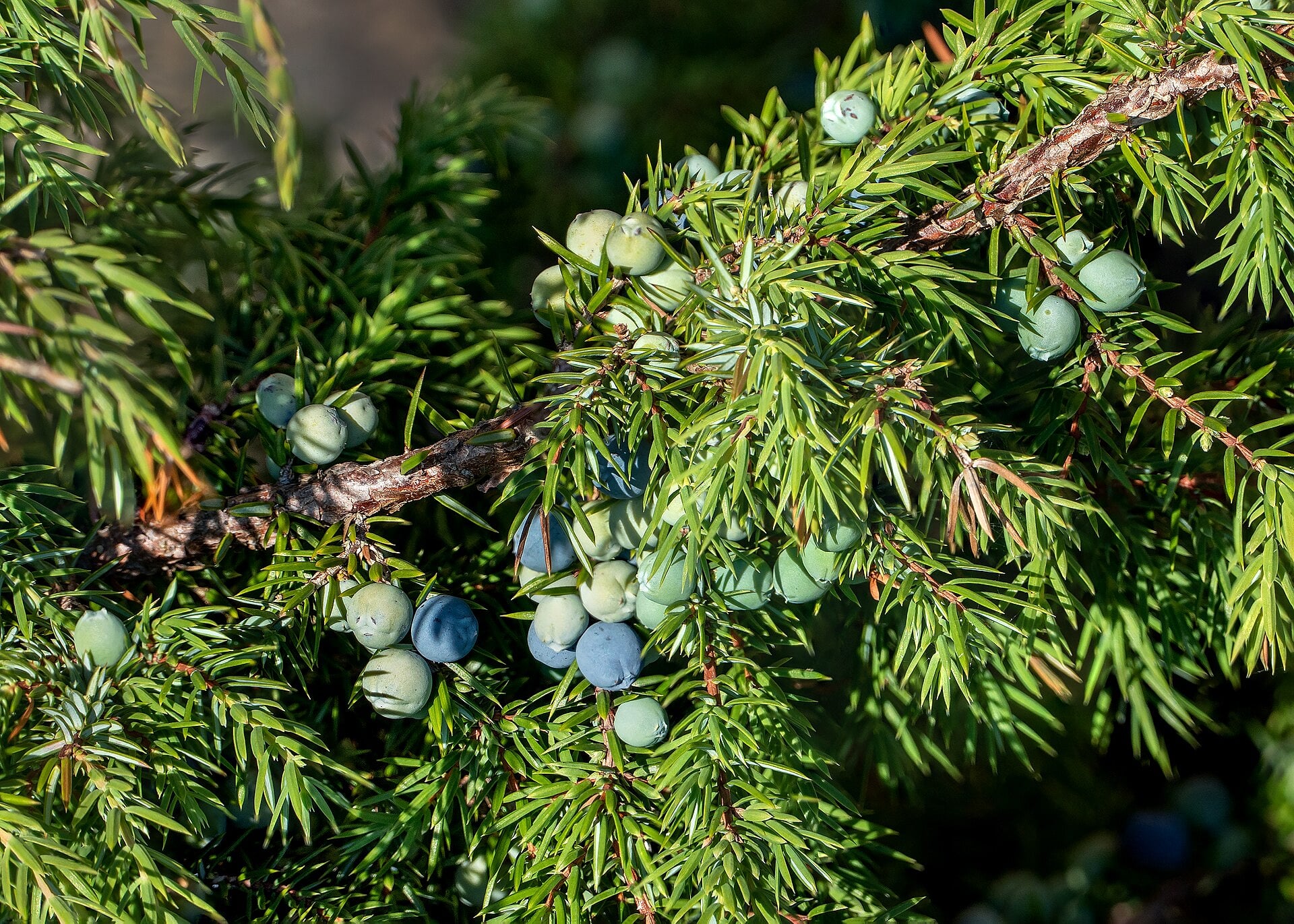
Image credit: W.carter (CC BY-SA 4.0), via Wikimedia Commons
Building a Venison Stew Recipe on Real Evidence
The Viking Age left no cookbooks, and any recipe claiming otherwise is marketing. What it did leave is ingredients, equipment and habits. Cooking happened in a single vessel: iron cauldrons slung from chains above the hearth, plus soapstone pots traded out of Norway as far as the southern trading towns. A venison stew recipe built on one pot is therefore not the romantic answer to what happened to a hunted animal. It is the practical one.
Myth: Vikings seasoned their game with juniper. Fact: juniper grows wild across Scandinavia and appears in archaeological contexts, but deliberate use of its berries as a meat seasoning is not cleanly attested for the Viking Age. Evidence for garden plants such as celery and dill at Hedeby and Viking-age York is far better. Juniper goes into this pot because it belongs with game, not because a find proves it.
Our honest verdict after several runs in the test kitchen: the two failures that ruin venison are heat and impatience. Meat that boils rather than murmurs turns dry and stringy, and that damage is permanent; more liquid will not bring it back. The second trap is acid at the start. A spoonful of vinegar or a handful of berries stirred in at the end lifts the pot and cuts the richness, while the same amount simmered from the beginning leaves the meat grey and flat.
If you prefer your game in one piece, try our honey-glazed boar roast. And for how little the everyday Norse table resembled the feasts on television, see our overview of what the Vikings actually ate.
Ingredients
Serves 4 generously:
- 2.2 lb (1 kg) venison shoulder or haunch, cut into 1.5 in (4 cm) cubes
- 2 tbsp lard or clarified butter
- 2 onions, roughly chopped
- 1 leek, sliced
- 10 oz (300 g) carrots
- 10 oz (300 g) swede (rutabaga) or parsnip
- 1/3 cup (80 g) pearl barley
- 3 1/3 cups (800 ml) strong game or beef stock
- 1 cup (250 ml) dark beer, optional, or more stock
- 6 juniper berries, lightly crushed
- 2 bay leaves
- 1 tsp dried thyme
- 2 tbsp honey
- 2 tbsp lingonberries or crushed forest berries
- 1 tbsp cider vinegar
- Salt and coarsely ground black pepper
- A small bunch of parsley or dill
Instructions
- Dry and season. Pat the venison cubes thoroughly dry and season them hard with salt and pepper. Wet meat steams instead of searing, and without a sear the pot lacks a base note.
- Sear in batches. Heat the lard in a heavy pot until it shimmers and brown the meat on all sides in two or three batches. Crowding drops the temperature and costs you the crust. Lift the meat out and set it aside.
- Build the base. Turn the heat down to medium. Sweat the onions and leek in the remaining fat for six to eight minutes, then add the carrots and swede in large chunks and fry for five minutes until the edges colour.
- Deglaze. Pour in the beer and scrape every brown fleck off the bottom of the pot: that is half the flavour. Add the stock and the meat, then the barley, juniper, bay and thyme, and bring to a boil once.
- Braise long. Cover and cook at the lowest possible heat for 90 to 120 minutes. The surface should barely move. Stir twice and top up with hot stock if it tightens. It is ready when the meat falls apart under a spoon.
- Balance it. Fish out the bay leaves. Stir in the honey, berries, vinegar, salt and pepper, then let the pot stand uncovered for five more minutes. Now, and not a minute earlier.
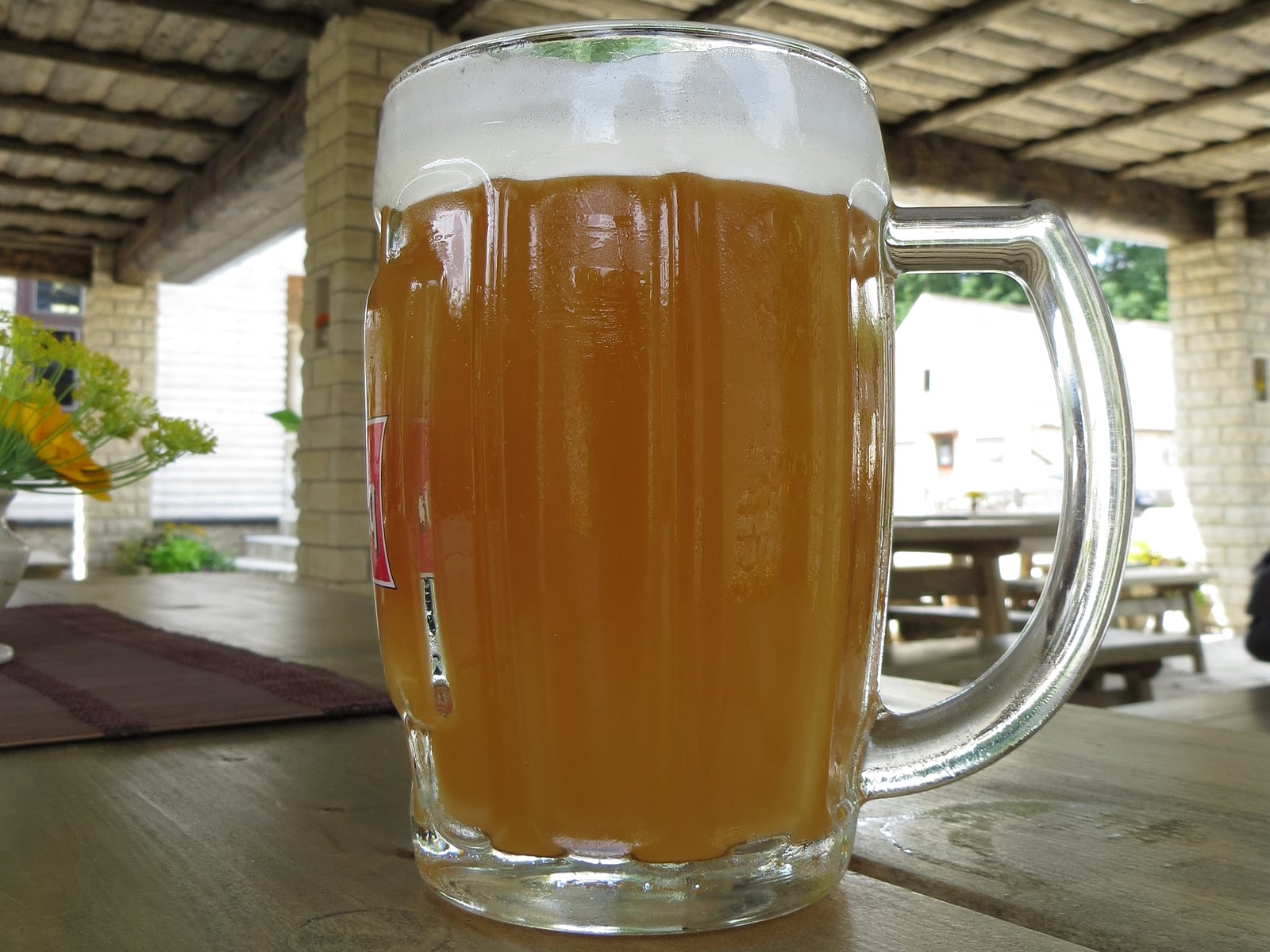
- Serve. Ladle into deep bowls and scatter parsley or dill over the top. Dark rye bread and a mug of beer are the only sides you need.
Tips & Variations
- Over an open fire: a cast-iron pot at the edge of the embers cooks this unchanged, only slower. Keep it beside the flames, not in them, and stir every 20 minutes.
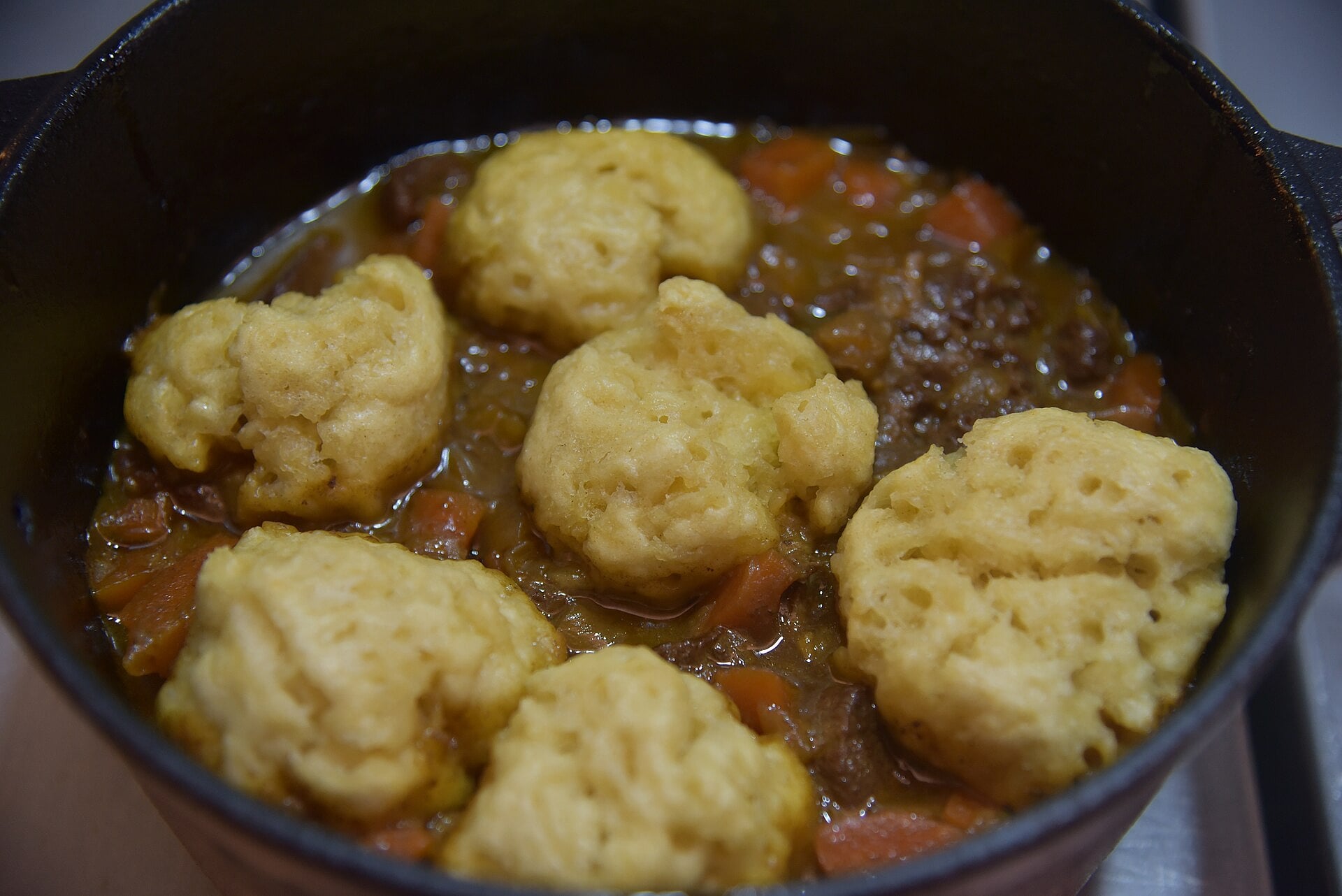
- With dumplings: for a heavier meal, drop small flour dumplings onto the surface for the last half hour and let them steam under the lid. A modern addition, but a very good one at the table.
- To marinate or not: young, well-handled venison needs nothing. Older, stronger meat improves after a night in buttermilk, then a rinse and a careful dry.
- Day two: this venison stew is better the next day. Cool it, chill it, reheat it slowly and wake it up with a fresh splash of vinegar.
- Strictly historical: stock instead of bottled beer, and cracked barley groats in place of pearl barley.
If this kind of cooking speaks to you, our cookbook “Viking Feast” holds 141 recipes of the North, from flatbread and cauldron dishes to feast roasts, mead and the sweet treasures of the storeroom. See the cookbook
Why Game Tasted Different in the North
A pot of venison was not an ordinary evening in the Viking-age North. It meant somebody had succeeded, that meat was shared, and that the table held more than barley and salted fish. That mood survives in the recipe. Lean meat, hard roots, berry acid and a great deal of time make something that tastes of a storeroom and a fire, not a restaurant. Lift the lid after two hours, catch the juniper, and you will not need an explanation for why a meal like this stayed in memory.
Hero image credit: Conall (CC BY 2.0), via Wikimedia Commons